Smart Garden Makeover: Practical Steps for a Healthier Home Landscape
A practical guide to elevate your garden and interior harmony with simple, durable improvements that blend decor and gardening into daily life.

Assessing Your Space and Setting Realistic Goals
Before touching soil or stockpiling tools, take a careful walk through your yard and adjacent interior spaces to observe how light shifts, how water drains, and where heat collects. Note pathways, existing plants, and any clutter that blocks access. Visualize how your living areas will interact with the garden through windows and doors, then align goals with your lifestyle, maintenance capacity, and budget. This planning phase anchors a cohesive home improvement approach that blends interior comfort with outdoor vitality. For a deeper look, see electric hedge trimmer.
Start a practical list that groups tasks by priority: safety, soil health, plant selection, and seasonal care. Consider whether you want showy perennials, edible crops, or low-maintenance shrubs that reduce yard work while increasing curb appeal. As you map ideas, keep decor principles in mind—color harmony, texture, and scale—to ensure the landscape complements interior design choices rather than competing with them.
Soil, Water, and Microclimate: Building a Healthy Foundation
Healthy soil is the cornerstone of vibrant plant life. Conduct a simple test to gauge pH and nutrient levels, then amend with compost, mulch, or lime as needed. Improve drainage where water pools by amending with organic matter and strategically placing berms or swales. Acknowledging microclimates—sunny, shaded, windy—will guide plant selection and irrigation strategies that keep roots satisfied throughout the seasons.
Establish a moisture plan that suits your climate and plant choices. Install a soaker hose or drip irrigation system to deliver water directly to the root zone, reducing evaporation and disease risk. Pair irrigation with a rain barrel to capture runoff for dry spells. With consistent soil and water management, you’ll notice stronger growth, less weed pressure, and more resilient color year after year.
Plant Selection: The Core of Your Garden’s Character
Choose a plant palette that reflects your home improvement goals while supporting wildlife and soil health. Native species often require less water and care, yet they provide reliable bloom cycles and habitat for pollinators. Combine evergreen structure with seasonal color through a mix of perennials, bulbs, and grasses. This approach creates a year-round framework that can be refreshed with decor accents as moods shift.
Integrate edible elements such as compact herbs or dwarf fruiting varieties where space allows. Plant in layered heights—groundcovers, mid-height shrubs, and taller focal specimens—to create depth and texture. When possible, group plants with similar water needs to simplify maintenance and maximize the impact of your landscape design on interior views and scent trails near entryways.
Garden Lighting and Privacy: Extending Your Living Space
Outdoor lighting should extend usability after sunset and enhance safety without overwhelming the scene. Use a mix of low-voltage path lights, warm-toned bollards, and subtle uplighting on focal trees. Coordinate fixtures with home decor tones and the architectural lines of your house to create a cohesive glow that draws the eye toward key plantings and seating areas.
Privacy concerns can be addressed with strategically placed screens, evergreen hedges, or trellises that support climbing plants. Choose materials and finishes that complement interior hardware and outdoor furniture. By treating lighting and privacy as design elements, you’ll craft a welcoming exterior that mirrors interior comfort and encourages relaxed, everyday living in every season.
Tooling and Maintenance: Streamlining Your Routine
Efficient tools save time and reduce the physical strain of garden chores. Invest in a core set that covers pruning, soil work, and mulching, then tailor additions to your specific plants and climate. A reliable hedge-trimming tool, for example, can dramatically simplify shaping and edging tasks, freeing you to focus on broader landscaping goals as your interior, decor, and gardening projects converge.
Create a weekly maintenance rhythm that aligns with plant growth cycles and weather patterns. Weeding, pruning, and mulch replenishment at regular intervals prevent overgrowth and disease. Keep a simple journal or digital log to track what worked, what didn’t, and when to replant or divide sections for ongoing vigor and sustained curb appeal inside and outside your home.
Seasonal Transitions: Keeping Your Garden Fresh Year-Round
Plan for spring cleanup by removing debris, testing soil, and applying protective mulch layers. As plants wake, prune for shape and air circulation, then re-mulch to preserve moisture and suppress weeds. With a focus on consistent routine, you’ll maintain structure and color while supporting interior spaces that benefit from seasonal scent and texture changes through decor elements and plant choices.
Autumn and winter require a different cadence: protect vulnerable roots, tidy deciduous cutbacks, and consider evergreen accents for year-round structure. Use the quieter months to evaluate design goals, reorder annuals if desired, and prepare soil amendments for the next growing cycle. This mindful approach ensures your landscape remains vibrant and inviting as indoor spaces evolve with personal taste and lifestyle shifts.
Incorporating Decor: Harmonizing Inside and Out
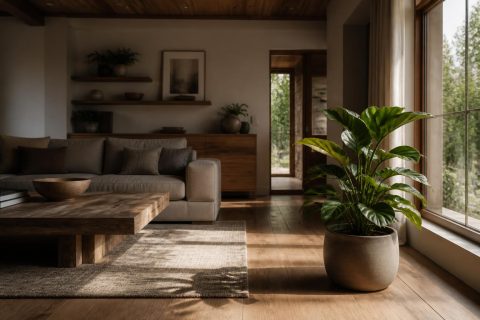
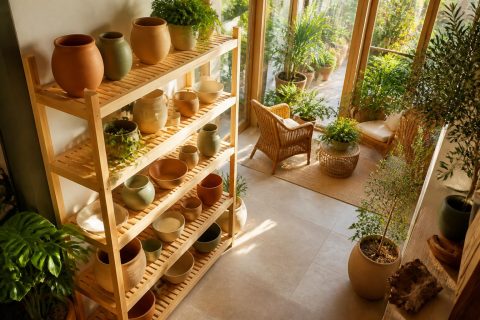
Decorative elements can bridge interior styles with outdoor aesthetics, reinforcing a sense of cohesion across spaces. Choose color schemes and textures that echo indoor furnishings—soft metallics, natural woods, and ceramic textures translate well to planters, seating cushions, and garden sculptures. By reflecting interior decor in plant selections and container styles, you create a unified, inviting home environment that feels intentional from curb to living room.
Use seasonal textiles and accessories to refresh the exterior without major renovations. For example, swap out cushions, lanterns, and planters to mirror new color palettes or trends in interior decor. This approach makes gardening an extension of home improvement, inviting you to tend both interior and exterior spaces with the same care and attention.
Texture and Structure in a Compact Garden
- Combine evergreen backbone with seasonal blooms for year-round interest.
- Layer plants by height and foliage color to maximize depth.
- Choose durable planters and seating that weather well with your climate.