Practical Garden-to-Indoor Harmony: A Home Improvement Guide for Year-Round Living
Create a cohesive home environment that blends gardening vitality with interior comfort, guiding your decor and daily routines through thoughtful, practical improvements.
Seasonal Landscaping and Space Planning
Designing a garden that harmonizes with your interior requires a clear plan that respects light, circulation, and microclimates around your home. Start by mapping sun exposure in each season, then align planting beds with near-constant views from common living areas. This approach reduces maintenance while maximizing visual continuity between outdoor and indoor spaces, enabling you to enjoy fresh greens year-round and encouraging calmer, more intentional home improvement decisions. lidar technology helps map terrain and shade patterns to inform plant choices precisely.
In practice, set up a simple, modular layout that can evolve with your lifestyle. Use raised beds for accessibility, define pathways with durable, low-maintenance materials, and keep clutter minimum to preserve sightlines from interior rooms. Integrate seating nooks that invite contemplation of both garden and decor, reinforcing the idea that gardening is as much about mood as function and enriching daily interior life through thoughtful outdoor-to-indoor transitions.
Soil, Plants, and Microclimates
Healthy soil forms the backbone of any thriving garden and significantly affects indoor air quality when you manage composting and mulch thoughtfully. Begin with a soil test to correct pH and nutrient balance, then incorporate organic matter like compost and shredded leaves to improve texture and drainage. This foundation supports robust perennials, edible herbs, and flowering annuals that can be enjoyed from kitchen windows or a cozy sofa after dusk.
Consider microclimates created by walls, fences, and water features to place plants with compatible water needs. Grouping drought-tolerant species in sunny corners alongside moisture-loving varieties near irrigation points helps minimize maintenance while maximizing year-round color and scent. The right combination of foliage and fragrance enriches interior decor by echoing outdoor hues, textures, and seasonal transitions in a living, breathing canvas.
Water Management and Sustainable Irrigation
Efficient watering starts with a robust plan that respects rainfall patterns and soil absorption. Install a drip irrigation system or soaker hoses beneath mulch to deliver targeted moisture right at the root zone, reducing evaporation and weed growth. Pair this with a rain barrel to capture runoff from roofs, then use gravity-fed distribution to minimize energy use while maintaining a lush, healthy garden that complements interior greens and textures without overwatering interior spaces.
Mulch is a simple, powerful tool that stabilizes soil temperature and suppresses weeds, enabling longer intervals between watering. Choose organic mulches like shredded bark or composted leaves to enrich soil slowly and support beneficial soil life. When you propagate herbs near kitchen windows, a well-planned water strategy keeps both pots and planters thriving, which in turn inspires thoughtful, functional decor choices inside the home.
Container Gardening for Small and Urban Spaces
Container gardening offers flexibility and a fast path to integrating live greenery into apartments or compact homes. Select containers with good drainage, sturdy rims, and compatible plant sizes, then group them on sunny balconies or under bright interior lighting to create micro-gardens that read as living art. This approach supports home improvement goals by turning unused corners into vibrant focal points that tie together interior colors and outdoor textures.
Rotate plant collections seasonally to maintain interest and prevent pest buildup, and pair edible herbs with ornamental varieties to maximize color and scent. Use vertical supports, trellises, and staggered heights to add depth without crowding windows or walkways. The result is a portable, adaptable garden that mirrors your evolving interior decor and daily rhythms.
Lighting, Color, and Texture for Interior-Exterior Flow
Lighting shape matters as much outdoors as indoors, influencing mood from sunrise coffees to evening gatherings. Combine warm, low-intensity exterior lighting with soft indoor lamps to blur the boundaries between spaces. Select plant palettes that reflect interior color schemes—cool greens and blues for tranquil rooms, or vibrant reds and golds to echo statement decor—creating a cohesive sense of place regardless of season.
Texture is another unifying thread; pair rough stones with smooth ceramics and glossy leaves to echo a balanced interior feel. Incorporate outdoor fabrics and furnishings that withstand weather while reflecting interior textiles, so your seating areas feel like natural extensions of living rooms. Thoughtful lighting and color choices help your home improve its overall ambiance with minimal effort.
Interior-Exterior Storage and Organization
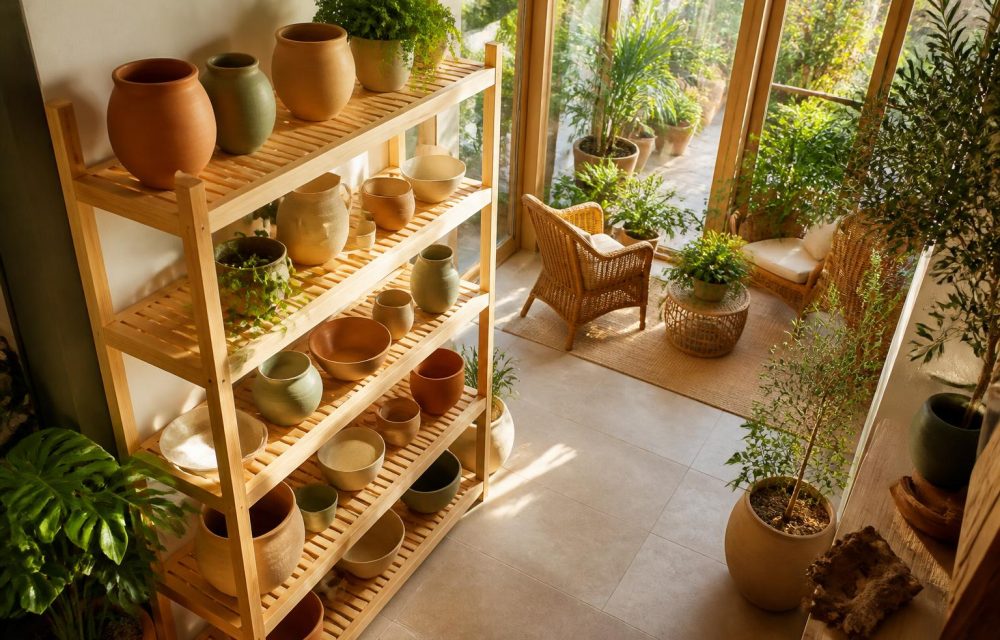
Efficient storage prevents clutter and supports consistent upkeep of both house and garden. Build or install weatherproof shelving for pots, tools, and seasonal decor close to the entryway for easy access, then label crates to simplify rotation of plants and supplies. A well-organized space reduces decision fatigue during home improvement projects and keeps your gardening gear ready for use alongside interior maintenance tasks.
Consider a dedicated corner for potting and seed-starting with a small table, a compact workbench, and a water source. This setup streamlines tasks such as repotting and pruning, aligns with interior workflow, and fosters regular interaction with your plants. A tidy, functional zone reinforces the habit of tending both interior and exterior spaces as a unified system.
Seasonal Maintenance Routines and Calendar Integration
Establishing a routine that aligns with local climate helps you anticipate pruning, planting, and harvest times while reducing weekend chaos. Create a simple calendar that marks planting windows, frost dates, and irrigation checks, then couple it with interior cleaning and decor refresh cycles. Regular cadence supports consistent home improvement progress, ensuring both garden and interior spaces feel curated rather than neglected.
Batch tasks to maximize efficiency: prune in one session, mulch in another, and rotate crops on a predictable schedule. This discipline translates to steadier energy for interior projects, from repainting walls to reorganizing shelving, by providing predictable energy reserves and reducing the feel of scattered chores. A well-timed maintenance plan makes your entire home environment easier to sustain.
Texture and Seasonal Focal Points
- Annuals and perennials coordinated with interior decor palettes
- Layered planting that echoes indoor furniture groupings
- Seasonal decor accents that bridge outdoor and indoor spaces