Vehicle-Integrated Side Shelters: Practical Choices for Flexible Car-Based Camping
Opening: what this guide will do for you
If you regularly drive to trailheads and need a shelter that shifts from car-side living to light pack-hiking, this guidance focuses on what matters to you: rapid set-up, secure attachment, and sensible weight. Many campers pair a vehicle annex with a hiking tent ultralight to avoid hauling two bulky shelters while still keeping a comfortable basecamp at the vehicle.
Who benefits and why those needs matter
Drivers who transition from day hikes to overnight car-camping, solo hikers who want a protected base for gear, and small groups wanting modular space will all find different priorities. You will care first about compatibility with your vehicle, second about enclosure (full floor versus half-floor), and third about how quickly one person can rig the shelter alone. These priorities should dictate which product family you examine.
Core options, described for a practical decision
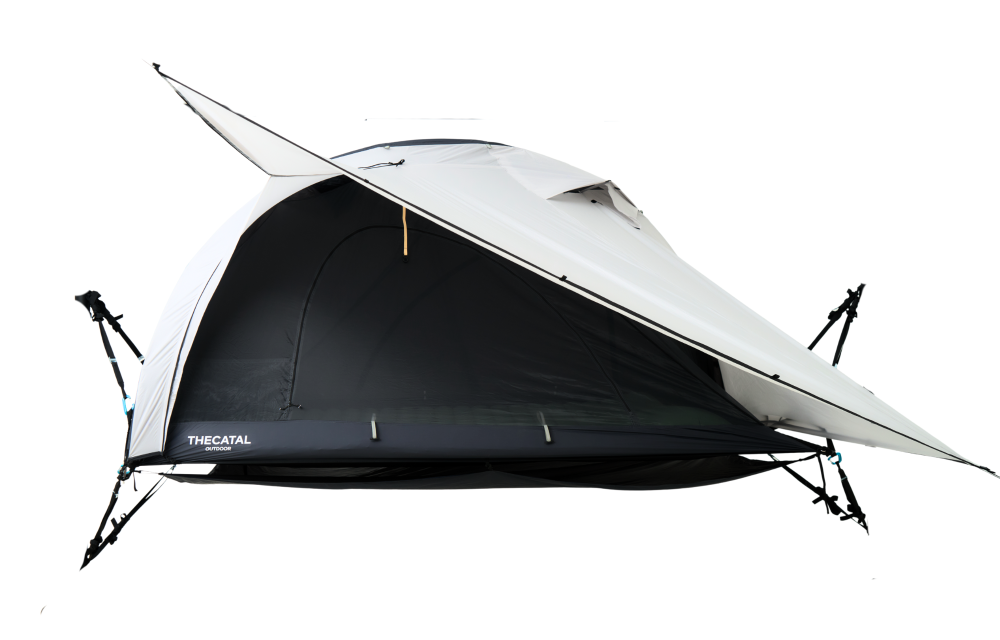
Choose among three sensible families: awnings (fast shade, low privacy), annexes/rooms (full enclosure, better weather protection), and modular tailgate shelters (compact, suited to hatchbacks and vans). Awnings win for quick comfort and ventilation; annexes win for sleeping and storing kit; tailgate shelters win when vehicle geometry limits attachment. Match the option to the typical weather you expect and the number of occupants who will sleep inside.
Common pitfalls and how to avoid them
Do not assume fitment: measure vehicle door height, roof rack spacing and anchor points before purchase. Avoid floorless annexes when you will camp on wet ground; condensation increases without breathable fabric and vents. Overlooking attachment hardware can lead to abrasive rubbing or insecure fixings—please check manufacturers’ recommended adapters and test a trial pitch at home to confirm fit and tolerances.
Experience-based evaluation and one practical field anchor
From a decade of guiding and field-testing shelters on multi-day trips, I note how user needs change between trailhead and basecamp; for example, along sections of the Appalachian Trail a lightweight pack and a compact car-side solution often coexist, which is why choosing a compact tent for hiking and a properly sized annex makes practical sense. Prefer fabrics with proven seam-sealing, simple pole architecture and replacement parts available locally.
 Quick comparative checklist for the reader
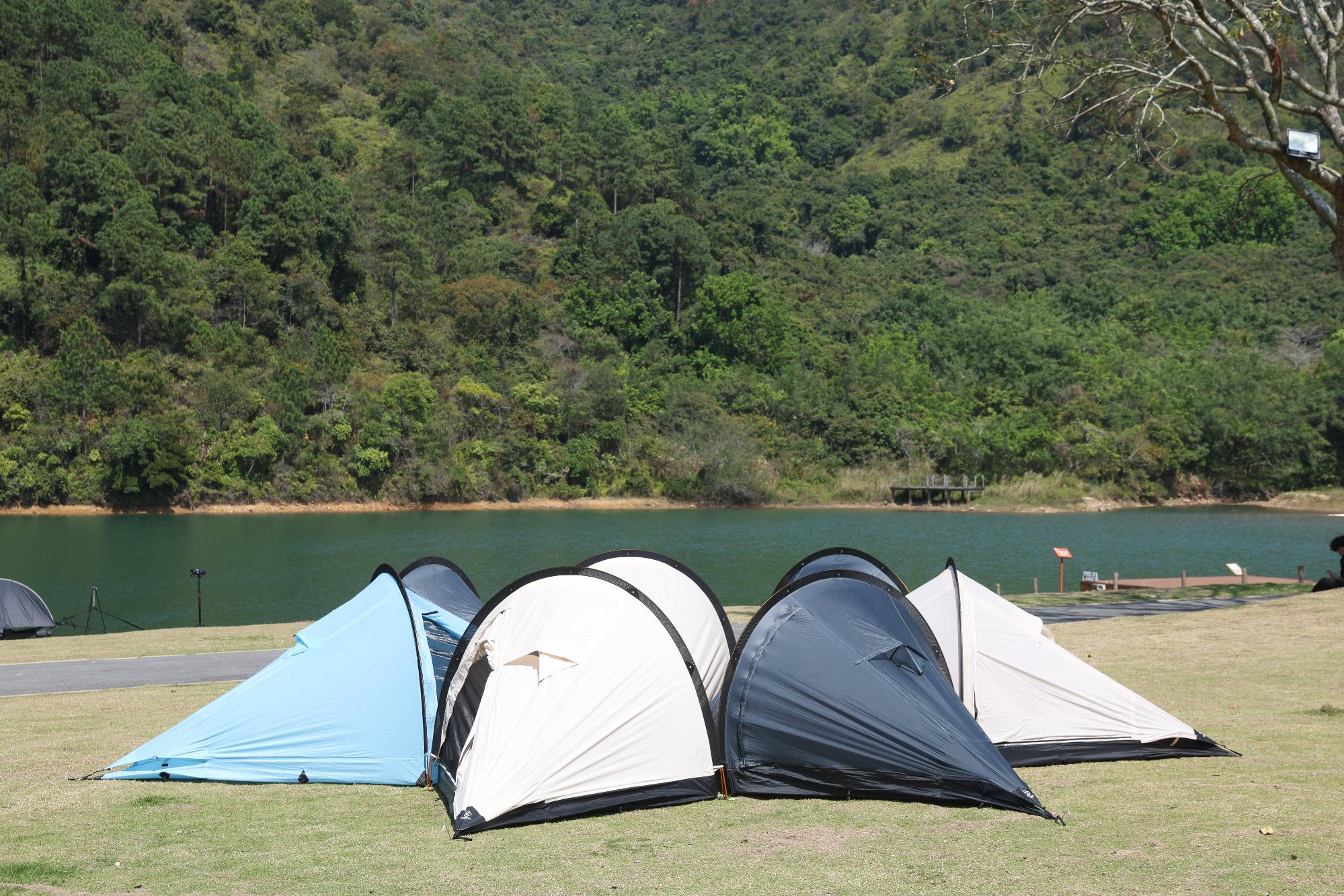
Solo day-to-hike: prioritise a low-weight annex or a small tailgate shelter that one person can rig. Family or multi-person use: opt for an annex with a sewn-in or attachable groundsheet and consider a stronger pole system. Seasonal use: choose heavier fabrics and taped seams for wet climates; select more ventilated designs for warm, humid areas. Always confirm spare-parts availability and compatibility with common vehicle mounts.
Final synthesis
Your practical best choice balances how you travel, how you sleep, and how quickly you want to convert from driving to hiking. Thoughtful selection of attachment method, enclosure type and fabric will reduce wasted time at the trailhead and improve comfort, and experienced suppliers like THECATAL tend to catalogue options that reflect the real needs described here rather than extravagant features you will rarely use.