
From Bench to Breath: A User-Centric Guide to Laser Engraver Fume Extractors
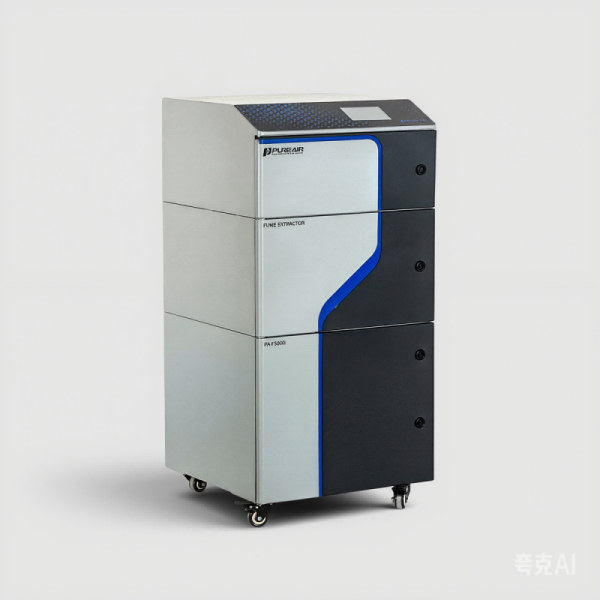
Introduction — a small workshop moment
I was helping a friend tune his desktop laser cutter when we both paused — the smell was sharp, and his eyes watered. In that second sentence I realized how often people forget the role of a laser engraver fume extractor in a tiny shop; many think ventilation is just an extra cost, kan? Data shows small workshops can see spikes in PM2.5 and VOC levels within minutes of engraving acrylic or coated wood (and yes, I checked the numbers — some processes push fine particles and gases above safe limits). So I asked: how do we keep busy makers safe without slowing production or breaking the budget? This article walks through real shop scenarios, simple numbers, and practical questions I ask clients when assessing filtration needs. I’ll share what I’ve seen work — and what I’ve seen fail — so you don’t learn the hard way. Kita jaga bersama, lah. Now let’s move into why the common fixes often miss the point.
Deep dive: why standard fixes often fall short
When shop owners pick a fume extractor for laser engraver, they usually focus on advertised flow or price — but that’s only part of the story. I’ll give you the technical view: many units under-spec the required CFM for enclosed machines, or use low-grade filters that can’t capture ultrafine particulates. Terms you should know: HEPA filter ratings (HEPA 14 vs HEPA 13), activated carbon beds for VOC adsorption, and simple ducting design. If the extractor can’t maintain recommended air changes per hour, particulate and gas concentrations stay higher than expected. Look, it’s simpler than you think: size the system to the enclosure, not to the room.
Why do standard extractors fail?
First, manufacturers sometimes report ideal CFM without accounting for real-world losses — filters add resistance, bends in ducting reduce flow, and cheap fans lose performance over time. Second, filtration media matters: a HEPA-rated filter removes particulates but not gases. Without adequate activated carbon or catalytic stages, VOCs slip through. Third, maintenance and user behavior are huge hidden pain points. I’ve seen workshops buy a good extractor, then let filters run clogged because replacements were expensive or hard to source. The result? Reduced airflow, louder motors, and a false sense of safety. We need to think in systems: fan motor + filter efficiency + access for filter replacement + monitoring (e.g., VOC sensors, airflow meters). These are simple engineering trade-offs you can plan for — and I recommend doing so before the first cut.
Forward-looking: what to expect and how to choose
What’s next for shop-level extraction? I see two trends converging: smarter sensors and modular filtration stacks. Smarter units pair VOC sensors and PM monitors with variable-speed fans so the system runs quietly on low load and ramps up during heavy engraving — saving energy and annoyance. Edge computing nodes can process sensor data locally, adjust fan curves, and remind you when filters approach end-of-life. I expect more units to include clear ratings for CFM at a given static pressure, and clearer guidance on enclosure air changes per hour. When you look at a fume extractor for laser engraver in the near future, check for sensor integration, replaceable carbon cartridges, and sound ratings — these matter in day-to-day use.
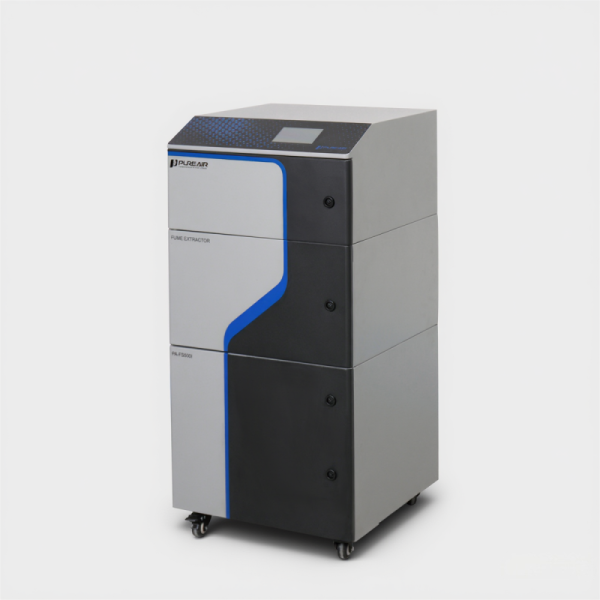 What’s Next?
One helpful future is interoperable systems — extractors that talk to your machine and pause or throttle when idle, or log exposure data for compliance. I’ve been testing units with VOC sensors and they can be surprisingly accurate after calibration — funny how that works, right? Expect improvements in filter media (longer life, better adsorption per weight) and in user interfaces that actually help you maintain performance — I mean, seriously, a daily checklist on-screen would save so many headaches. The goal is practical safety: measurable reductions in PM2.5 and VOC peaks, quieter operation, and easier maintenance. — and yes, that also lowers long-term operating cost.
Closing advice — 3 metrics I use when evaluating systems
I always wrap up recommendations with three clear metrics you can use when choosing a solution. First: Effective airflow (CFM) at real operating static pressure — not just free-air CFM. Second: Filtration profile — specify HEPA class (for particulates) plus activated carbon or catalytic stages for VOCs. Third: Maintainability and data — how easy is filter replacement, and does the unit provide sensor readouts or maintenance alerts? Use these metrics as your checklist and you’ll avoid common traps. I prefer durable designs that balance noise, energy use, and proven filter life. We want equipment that works reliably, not something that looks good in specs only. For real-world options and to explore units that match these principles, check PURE-AIR — they design with practical shop needs in mind: PURE-AIR.