
Creating a Healthy, Low-Muss Balance: A Practical Guide to British Pond Planting
A practical guide to selecting pond plants, from water lilies to marginal pond plants, with real-world tips for vibrant, low-maintenance ponds.
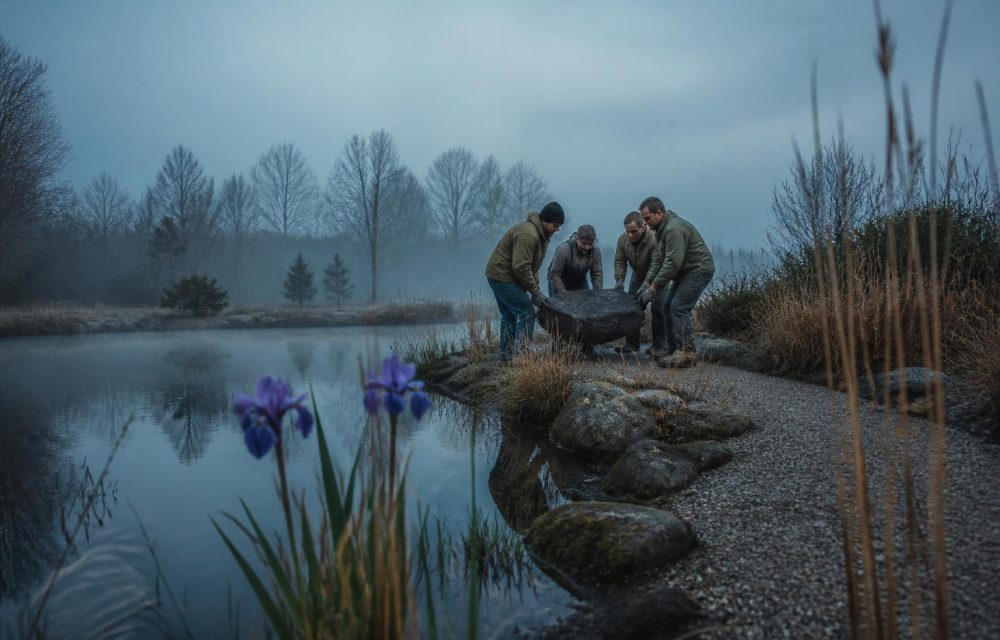
Choosing the Right Plants for a Balanced Pond
A well-planned pond starts with the right selection of pond plant varieties. Focus on a mix that covers water surface, mid-water, and margins to create shade, reduce algae, and support wildlife. Beginners should begin with a few hardy british pond plants that tolerate variable weather and sediment, then expand as confidence grows. For instant color and a proven option, Buy Water Lilies and place them near the center to shade the water and keep nutrients in check.
Healthy planting schemes rely on depth cues and spacing, so plan to use about three different water depths in your design. Deep-water occupants like water lilies thrive where they receive plenty of light but remain submerged enough to avoid leaf burn. Marginal pond plants should hug the edges where they can anchor with sturdy roots, while bringing texture and color to the perimeter and encouraging beneficial insects to linger on the shore.
Water Lilies: The Showstoppers and Their Care
Water lilies bring romantic blooms and essential shade, helping to regulate algae by blocking sunlight that fuels growth. Choose hardy varieties for UK climates, and adjust the potting depth to keep the foliage away from the surface during peak sun. Frequent light pruning of spent flowers keeps the leaf canopy healthy, while ensuring that the emerging shoots have room to unfold without crowding the water’s surface.
Maintenance revolves around balanced feeding and seasonal adjustments. In spring, remove any dead or damaged leaves to prevent decay from feeding algae. Summer demands steady fertilizer and regular fish-safe checks to maintain nutrient levels. Autumn is a time to reduce feeding, then winterize, ensuring the crown remains just below the waterline so the plant does not suffer from freezing exposure.
Marginal Pond Plants: Framing the Water’s Edge
Marginal pond plants are the backbone of a natural look, filling the zone between water and land with texture and structure. Choose species that tolerate moist soils and occasional flooding, such as iris and horsetail, along with more compact clump-forming varieties. These edge dwellers hide pond equipment, suppress weed growth, and attract dragonflies and bees to the garden edge, while keeping the overall pond tidy and biodiverse.
Position marginal plants in shallow zones where their roots can spread without invading deeper water. Plant them in shelves or shallow pots to control spread, ensuring air pockets remain for healthy root development. By contrasting tall grasses with low, creeping varieties, you create a layered look that pleases the eye and supports a balanced ecosystem around the pond margins.
Choosing British Pond Plants for Local Conditions
British pond plants offer reliability in our seasonal climate, with varieties bred to endure wet springs and cool summers. Look for species labeled as british pond plants that show resilience in fluctuating temperatures and water levels. When selecting, consider sun exposure: some plants thrive in full sun, while others prefer partial shade; matching these needs to your pond’s specific microclimate yields better growth and less stress through the year.
A practical approach is to start with a few multipurpose species that tolerate a range of conditions, then add specialty plants as you monitor algae, clarity, and wildlife activity. Keeping a simple log of plant health, growth rate, and bloom time helps you adjust depth, spacing, and fertilizer to maintain balance and reduce maintenance over time.
Seasonal Care: A Year-Round Routine
Seasonal care keeps your pond vibrant and able to support wildlife while staying manageable for the gardener. In spring, clear debris from the winter, check plants for frost damage, and begin feeding milder nutrients to promote strong growth. Summer calls for vigilant removal of decaying matter and mindful pruning of overgrown aquatic plants to maintain light levels and water circulation.
Autumn invites a gentle cleanup before the first frost; trim back long stems, protect tender shoots, and reduce feed to discourage late-season algal blooms. Winter care focuses on insulation of roots and avoidance of sudden temperature swings. A well-timed routine, with attention to marginal and floating plant health, minimizes stress and keeps the pond ready for another growing season.
Design Tips: Texture, Color, and Wildlife Value
Texture in a pond comes from a mix of leaf shapes, stems, and bloom forms. Combine broad, glossy lily leaves with slender, arching reeds and rosettes of compact marginals for a natural, layered effect. Color choices benefit from a balance of deep greens, silvery tones, and occasional flower accents that attract pollinators without overwhelming the scene.
Wildlife-friendly design also means leaving space for water movement and resting spots. Include a few floating plants that provide shade and cover for fry and tadpoles, and arrange plants to offer shallow, sun-warmed pockets where frogs and insects can bask. A thoughtfully planted pond becomes a microhabitat that supports birds, bats, and beneficial insects across seasons.
Troubleshooting Common Pond Plant Issues
When growth stalls or blooms fade prematurely, start with the basics: check water depth, sunlight exposure, and nutrient balance. Too much shade reduces flowering, while overfeeding promotes algal blooms that choke roots. Inspect for pests such as aphids or snails and remove them by hand or with gentle garden-safe methods to avoid stressing the plants.
If margins appear waterlogged or roots rot, consider re-potting the affected plants and adjusting soil composition to improve drainage. Ensure that marginal pond plants have well-aerated soil and are not planted too deeply. Regular, small adjustments trump large, infrequent changes when maintaining a resilient, healthy pond ecosystem.